THE RECIPE
The baby schema
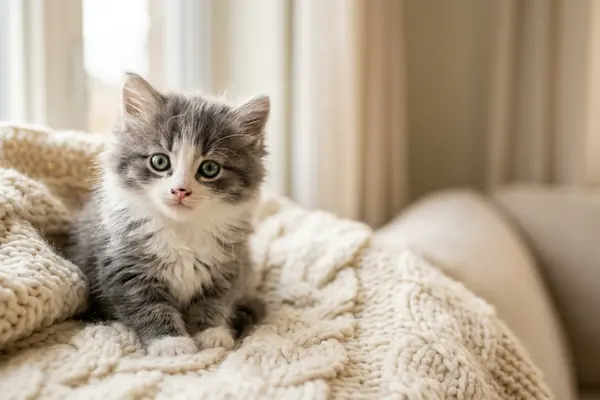
Ethologist Konrad Lorenz described Kindchenschema: a large head for the body, a high forehead, large eyes and bulging cheeks. These features, he argued, prompt the urge to care.
See the numbers printcute
WHAT THE RESEARCH SAYS
Cuteness has a recipe.
See the experiment
1/7 sto notice a baby face
A large head, a high forehead, big eyes and round cheeks: scientists call it the baby schema. Studies suggest the brain picks it out within a fraction of a second, and that looking at cute pictures can even make people more careful.
At a glance
≈ 130 ms
First specific response to infant faces
Using MEG scans, researchers found a peak of activity in the medial orbitofrontal cortex at around 130 milliseconds for unfamiliar infant faces, but not adult faces.
BRAIN TIMING · PLOS ONE 2008
≈ 44%
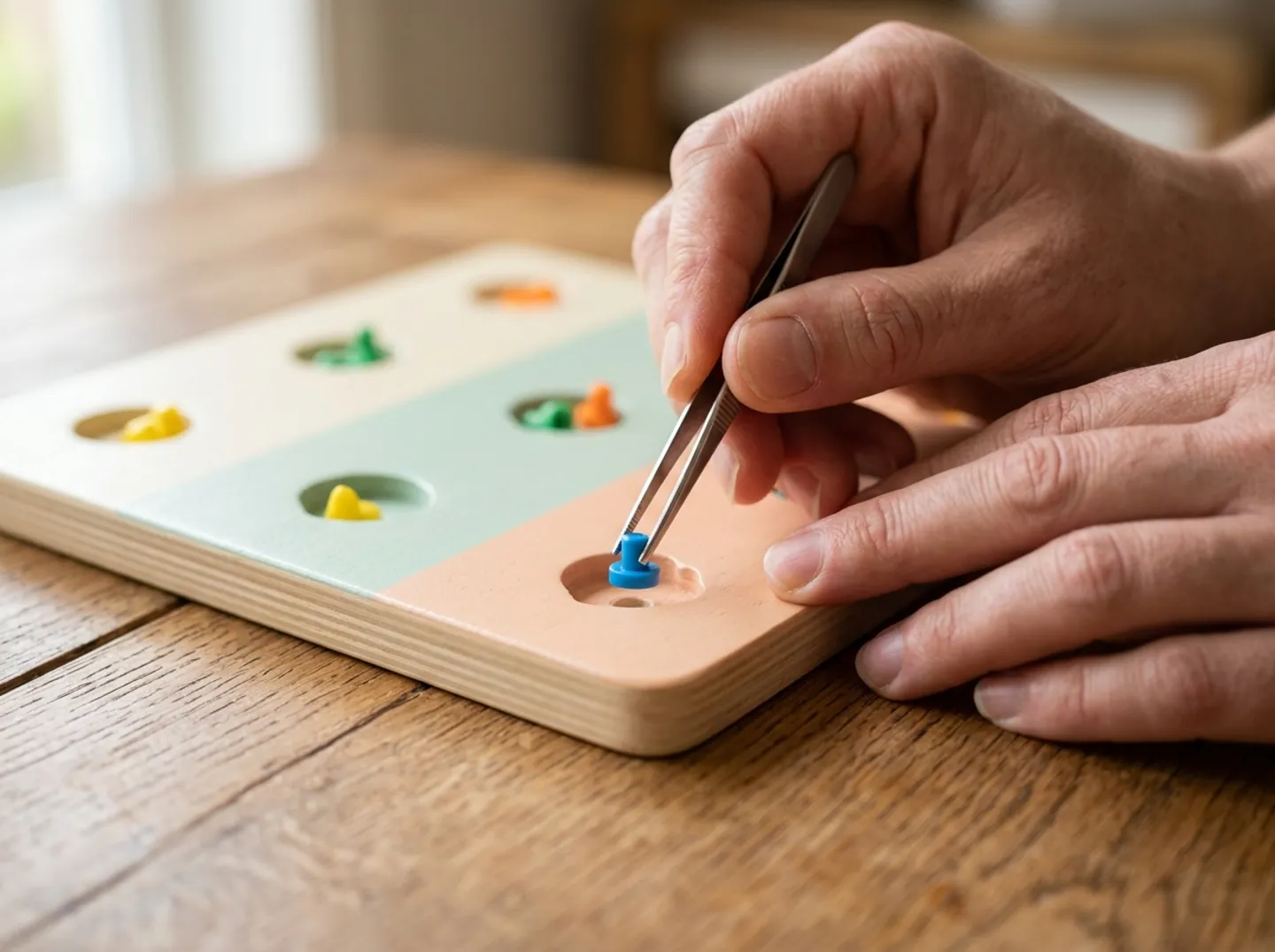
Gain in a tweezers game after cute pictures
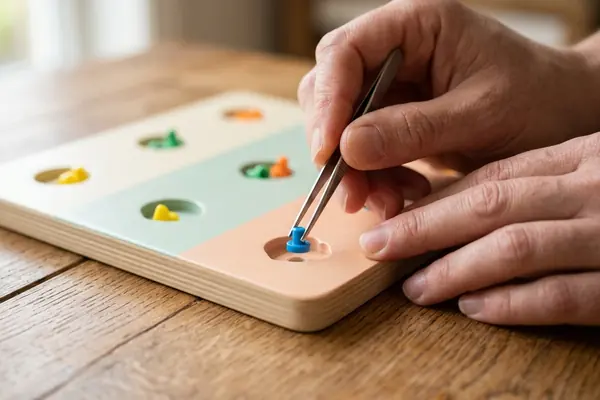
Forty-eight university students took part. After puppies and kittens, successful moves rose by 43.9 percent on average, against 11.9 percent after adult dogs and cats.
CAREFULNESS · PLOS ONE 2012
TWO NUMBERS WORTH KNOWING
One figure on how fast the brain reacts,
one on what cute pictures did to a careful task.
The 2012 authors interpret the effect as cuteness narrowing attention, and suggest cute images might one day be used to encourage careful behaviour in settings such as driving and office work.
THE KAWAII EXPERIMENTS
In a 2012 study, university students did a task, looked at a set of pictures, then did it again. Pick what they looked at to see how much their second try improved.
Average improvement between the first and second attempt, from Nittono and colleagues (2012). The bar shows the size of the improvement.
THE SHORT ANSWER
A set of young-looking features.
A brain that is quick to reward them.
THE RECIPE
Ethologist Konrad Lorenz described Kindchenschema: a large head for the body, a high forehead, large eyes and bulging cheeks. These features, he argued, prompt the urge to care.
See the numbersTHE BRAIN
In a 2008 brain-scanning study, adults showed a specific response to unfamiliar infant faces within a seventh of a second, in an area linked to reward.
Inside the brainTHE BEHAVIOUR
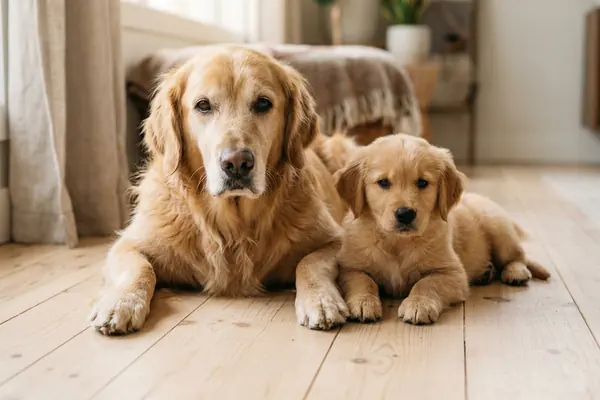
Students who looked at puppies and kittens did better at a fiddly tweezers game afterwards than students who looked at grown dogs and cats.
Try the results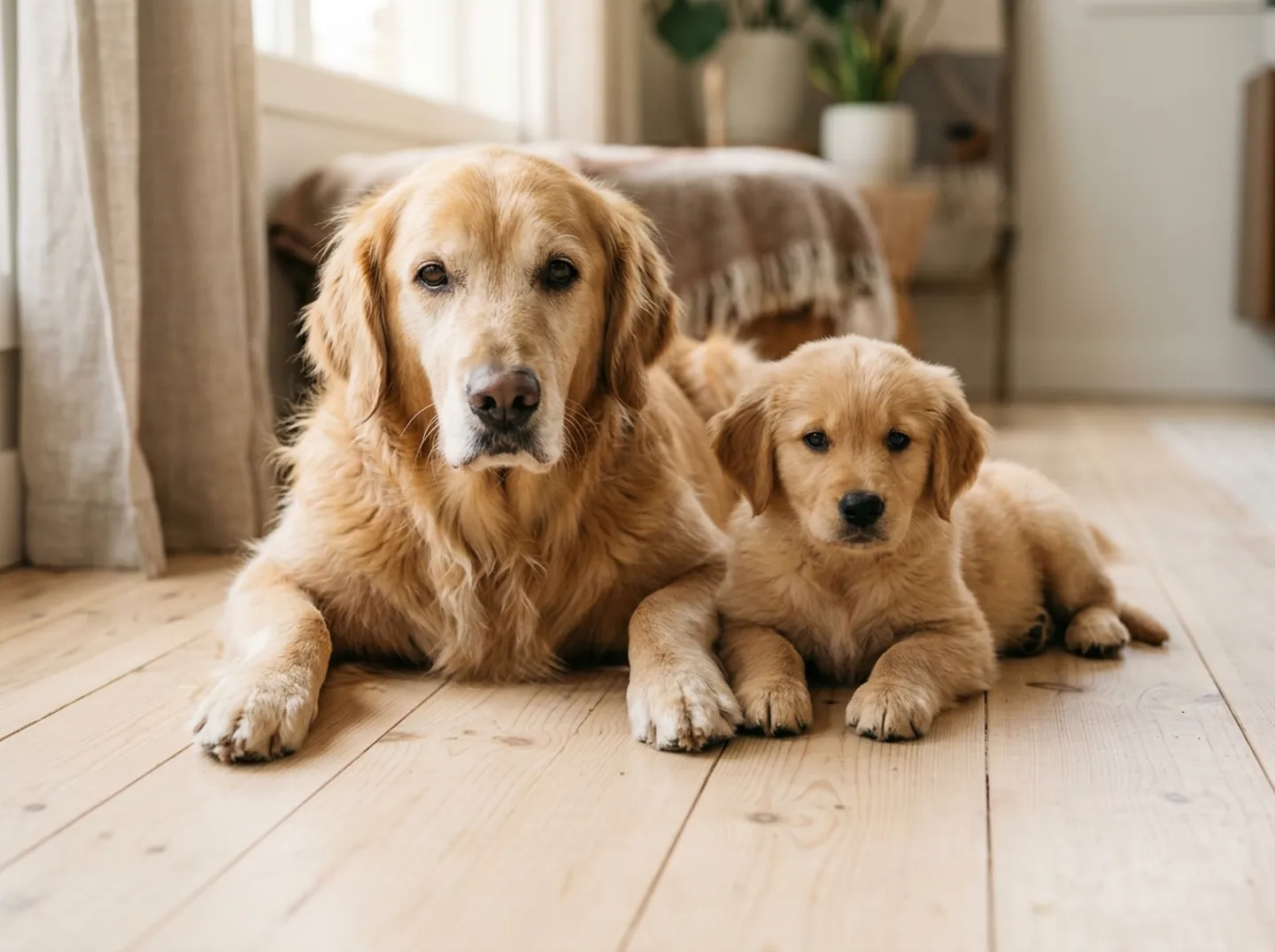
FOUR FEATURES TO LOOK FOR
Once you know the baby schema, you start seeing it in soft toys, cartoon characters and even the fronts of cars. These are the features researchers describe.
A relatively large head and a large, rounded skull top the list of baby schema features.
Researchers note that young faces have higher foreheads and proportionately smaller snouts than adults.
Big eyes placed low on the face are a classic cue, used heavily in cartoons.
Bulging cheeks and a smaller jaw make a face look younger, and so cuter.
INSIDE THE BRAIN
The fast response to infant faces in the 2008 study appeared in the medial orbitofrontal cortex, a region involved in reward, before a later response in the brain's face-processing area.
A 2009 study by Glocker and colleagues found that baby faces with more baby schema features were rated cuter and raised people's motivation to care for them, even though the babies were strangers.
Questions
It is a set of features common in young animals and babies, described by Konrad Lorenz: a large head relative to the body, a high forehead, large eyes and bulging cheeks. He proposed that they trigger caring responses.
In a 2008 study using MEG, specific activity appeared within a seventh of a second, peaking at around 130 milliseconds, for unfamiliar infant faces but not adult faces.
In a 2012 study, students did better at a fiddly tweezers game after viewing puppies and kittens than after viewing adult dogs and cats. The samples were small, so treat it as an interesting finding rather than a rule.
Not in that study. Pictures of pleasant food did not improve performance in the search task, while pictures of baby animals did.
It is a Japanese word usually translated as 'cute'. The 2012 study notes it comes from an older word meaning face-flushing, whose meaning shifted towards 'can't leave someone alone, care for'.
Sources
ABOUT THIS NAME
printcute.com is part of the DoodleSale portfolio. Check the current listing and available purchase or lease options.